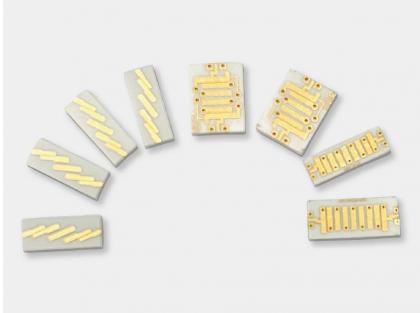
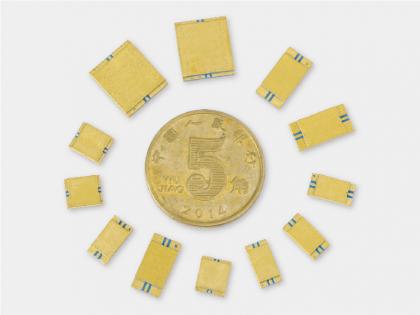
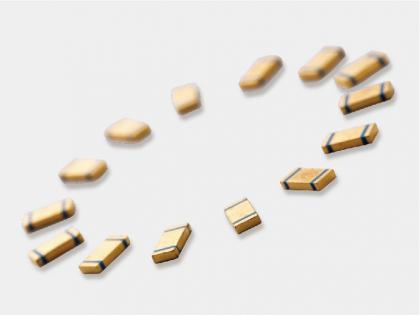
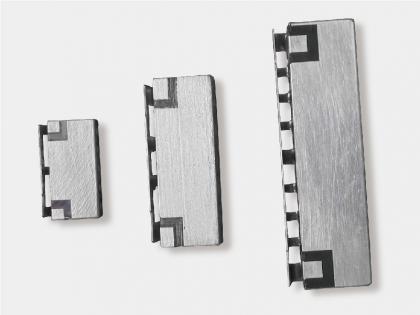
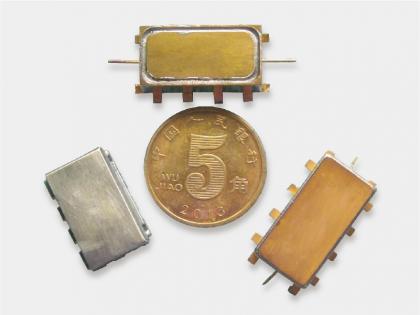
그만큼 삽입 손실 얇은 것의 필름 필터 주로 세 가지 범주의 요인에 의해 결정됩니다. 본질적인 재료 손실, 구조 설계 손실 및 공정 구현 손실 .
이는 신호가 매질을 통과할 때 발생하는 불가피한 "마찰" 손실을 의미합니다. 광통신에서는 주로 유전체 박막 재료(예: SiO₂, Ta₂O₅)에서의 광자 흡수 및 산란으로 인해 발생합니다. RF 응용 분야(예: BAW/SAW 필터)에서는 압전 재료(예: LiNbO₃, AlN)에서의 포논 손실과 전극 재료에서의 저항 손실로 인해 발생합니다. 이러한 마찰 손실은 장치의 이론적인 성능 한계를 결정합니다.
설계상의 결함으로 인해 신호 "누출"이 발생합니다. 임피던스 불일치 (포트와 시스템 임피던스 사이의) 간섭은 반사 손실을 유발하며, 이는 전압 정재파비(VSWR) 저하와 직접적인 관련이 있습니다. 대역 외 차단 기능 부족 신호 에너지가 차단 대역으로 누출될 수 있습니다. 또한, 모드 변환(예: SAW 필터에서의 벌크 음향파 방사)도 에너지를 소모합니다.
이것이 실제 생산에서 가장 중요한 변수입니다. 표면 거칠기 (불균일한 필름 층으로 인한 산란 발생) 인터페이스 결함 (층간 접착 불량, 미세 구멍) 패턴 오류 (에칭 편차로 인한 공진 주파수 변화)는 모두 추가적인 손실을 유발합니다. 온도 변화로 인한 열팽창 불일치와 같은 요인 또한 손실 변동을 악화시킬 수 있습니다.
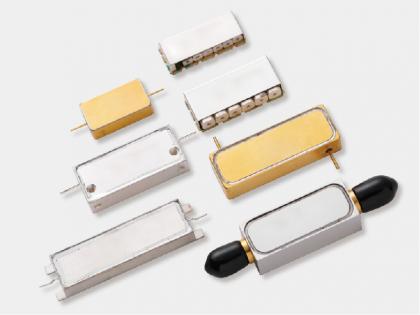
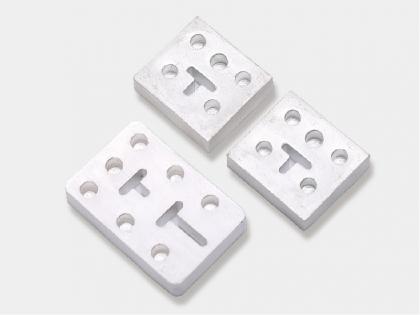
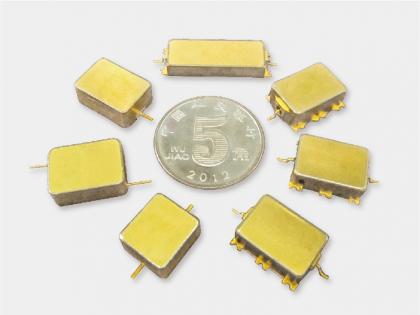
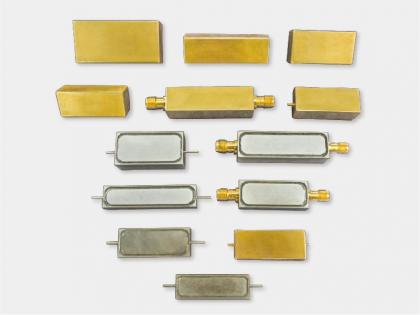
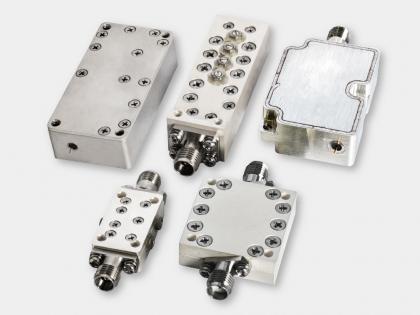
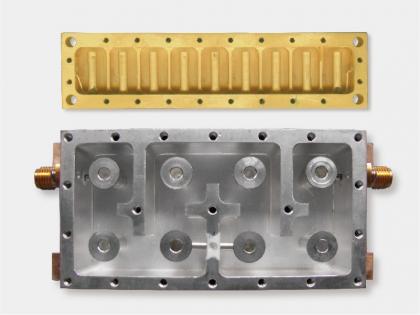
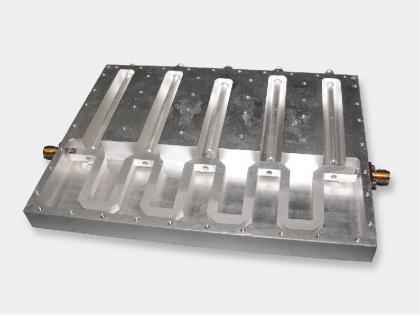
윤 마이크로 RF 수동 부품 전문 제조업체로서 다음과 같은 제품을 제공할 수 있습니다. 캐비티 필터 최대 40GHz까지 포함되며, 여기에는 다음이 포함됩니다. 대역 통과 필터, 저역 통과 필터, 고역 통과 필터, 대역 저지 필터.
저희에게 연락주세요: liyong@blmicrowave.com


주소 : Xisan Road, Mechanical and Electrical Industrial Park, No.767 Yulan Road, Hefei,Anhui.
전화 : +86-18855146875
이메일 : liyong@blmicrowave.com


그것을 스캔